Managing a supply chain in e-commerce isn't just complicated—it's chaos in motion. Between unpredictable demand spikes, shipping delays, inventory nightmares, and rising customer expectations, it's no wonder so many online retailers feel like they’re barely keeping up. Here’s the truth: if your supply chain is straining your team, killing your margins, or slowing your growth, it's time to outsource.
Outsourcing isn’t just a stopgap solution. Done right, it becomes your growth engine.
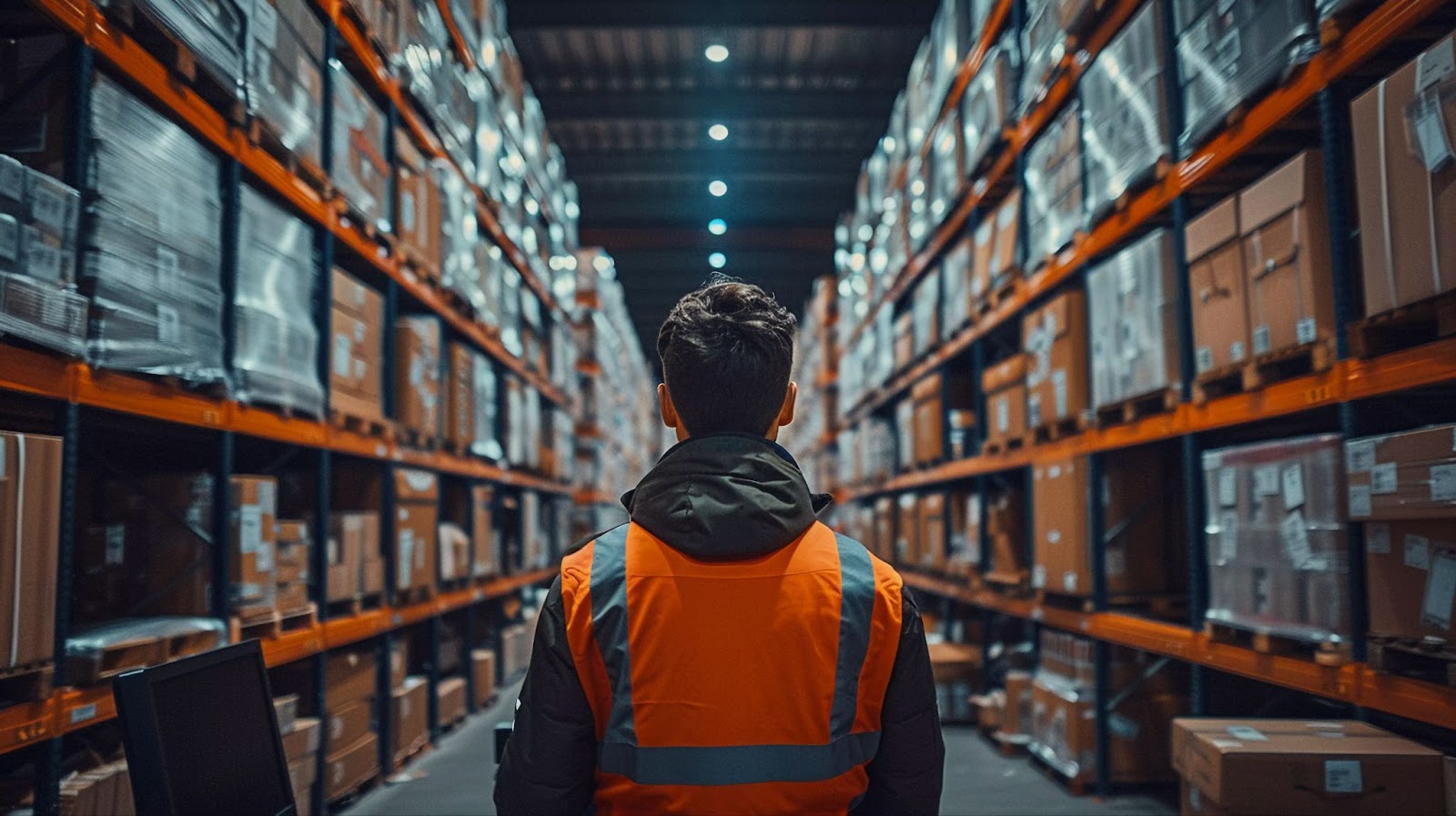
Why Your E-commerce Supply Chain Is Breaking Down
Most e-commerce businesses don’t start out thinking they’ll become logistics companies. But as they scale, they often try to take on too much in-house. Here's where things go sideways:
Sky-high Overheads: Warehousing, shipping, returns management—these aren’t just operations. They're cost centers that grow faster than your revenue.
Lack of Specialization: Your core competency is product development or sales, not shipping logistics. Trying to be an expert in everything spreads your team too thin.
No Room to Scale: Sudden sales booms or seasonal spikes? Without a flexible supply chain, your team is stuck scrambling, and customers are left waiting.
Technology Gaps: Legacy systems or patchwork tools can’t keep up with real-time inventory tracking, route optimization, or forecasting demands.
The modern e-commerce environment doesn’t reward businesses that try to muscle through these issues solo. It rewards those that build smarter, leaner operations.
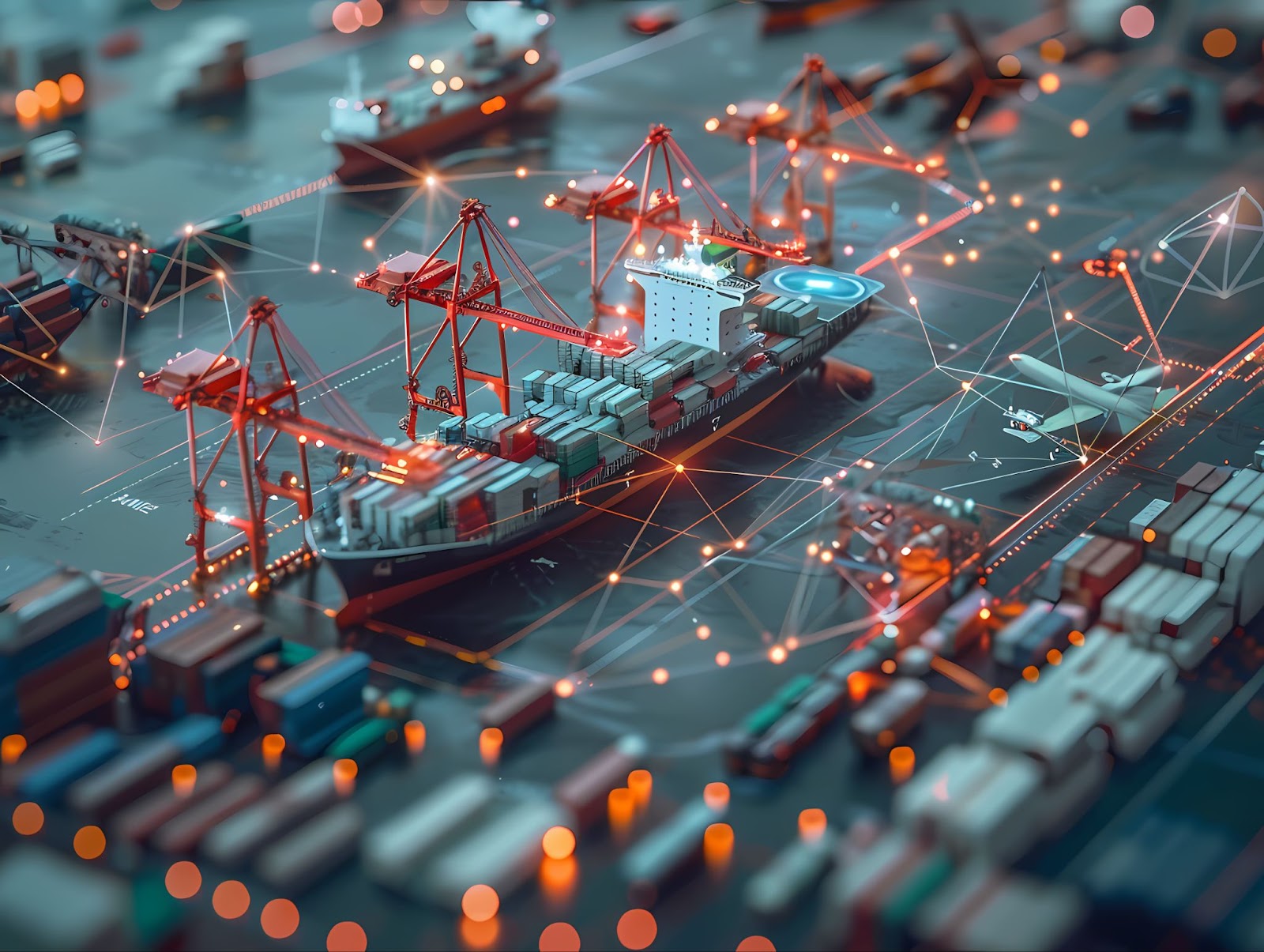
The Supply Chain Advantage of Outsourcing
Outsourcing your supply chain management—whether it's to a third-party logistics (3PL) partner or an offshore operations team—solves real problems. Here's how:
1. Lower Costs, Better Margins
Outsourcing cuts the fixed costs of warehousing, equipment, and full-time logistics staff. Reputable partners operate at scale, so you benefit from their optimized processes and discounted rates.
2. Access to Expertise
Experienced logistics providers live and breathe supply chain management. They have established networks, relationships with carriers, and playbooks for tackling everything from port delays to customs clearance.
3. Technology on Demand
Top outsourcing partners come equipped with advanced warehouse management systems (WMS), order tracking, and data analytics dashboards that give you real-time insights. Instead of building it yourself, you plug into a smarter system.
4. Scalability Without the Growing Pains
Need to expand into new markets? Launching a flash sale? Outsourcing gives you instant access to resources—like warehouse space and labor—without the long-term commitments or massive up-front investments.
5. Focus Where It Matters
By handing off logistics, your internal team gets bandwidth back to focus on growth-driving tasks: marketing, customer service, and product development.
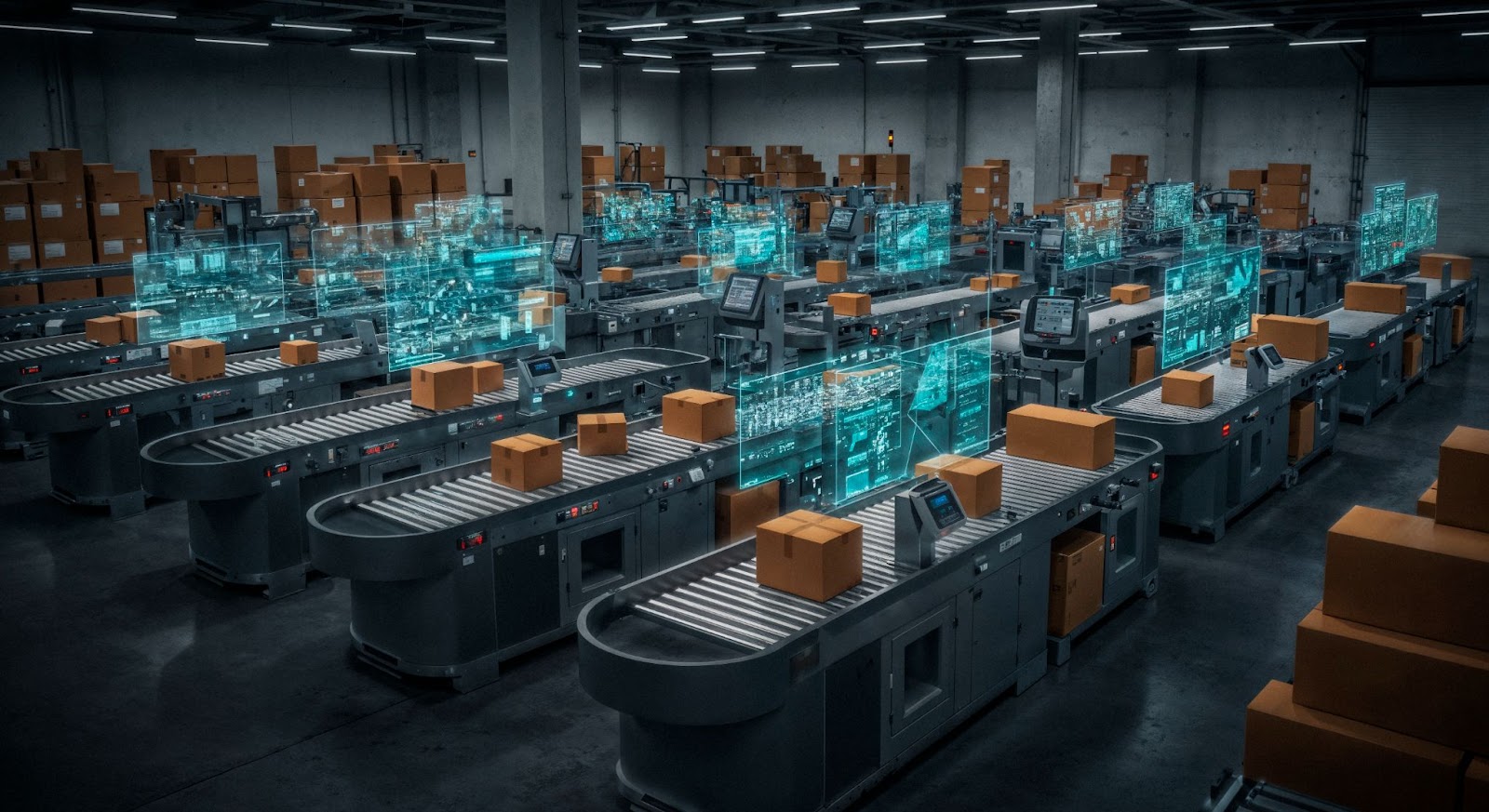
Real E-commerce Wins from Outsourcing Supply Chain Operations
Let’s look at what happens when you make the switch:
Faster Fulfillment: With distributed fulfillment centers and optimized routing, customers get their orders quicker—without the shipping chaos.
More Accurate Inventory: Advanced WMS systems reduce overselling and stockouts. Real-time inventory syncing across multiple platforms keeps everything aligned.
Improved Customer Experience: On-time delivery, faster returns, and better tracking tools create happier (and repeat) customers.
Global Reach, Local Speed: Want to sell in the U.S. and Asia? A global 3PL network lets you offer localized shipping without setting up your own overseas operation.
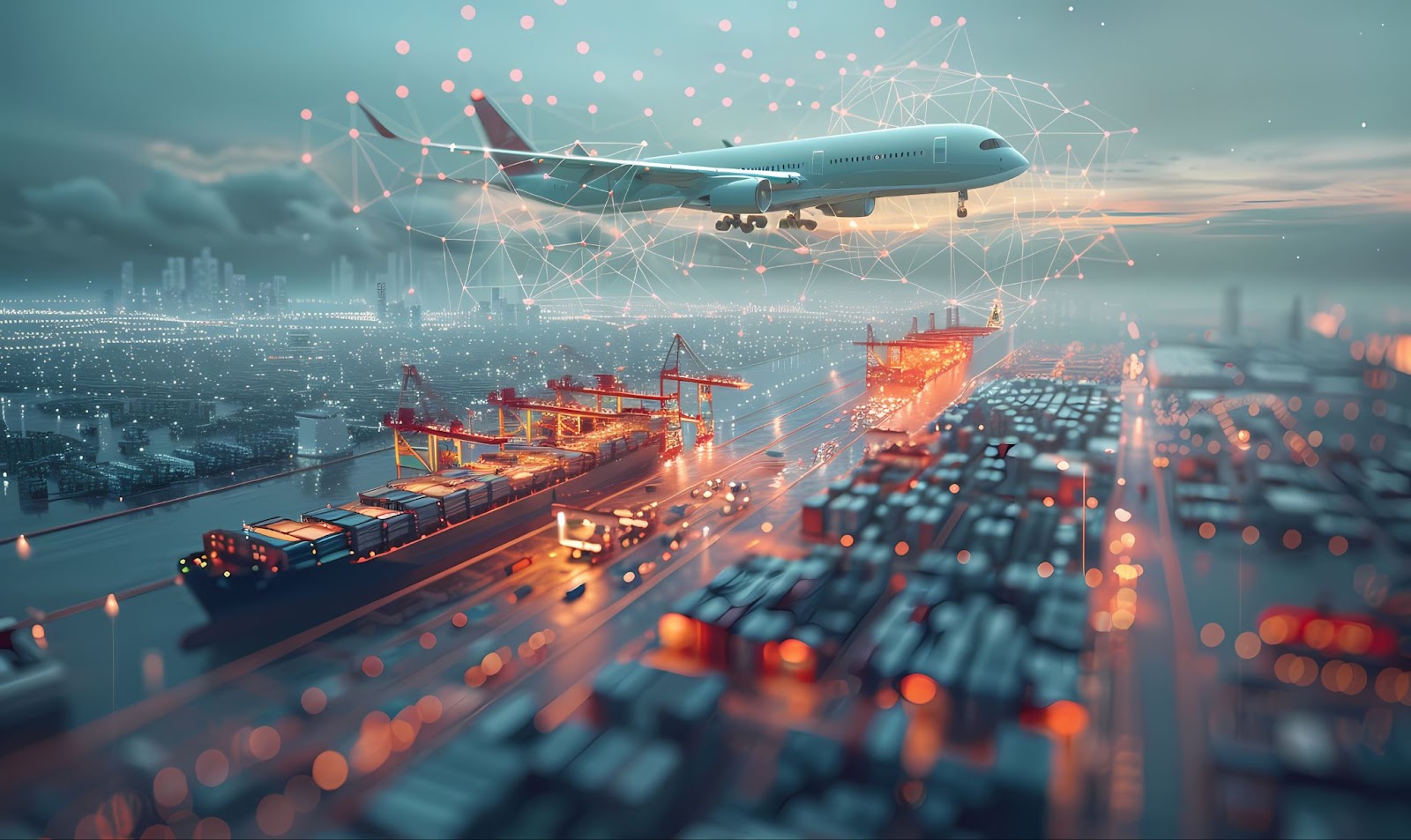
What to Look for in a Supply Chain Outsourcing Partner
Outsourcing is only as good as the partner you choose. Here are must-haves:
Proven Track Record: Look for providers with industry-specific experience in e-commerce supply chain operations.
Tech Integration: They should seamlessly connect with your existing platforms like Shopify, Amazon, or WooCommerce.
Transparent Pricing: Hidden fees can crush your margins. You want a partner who lays it all out.
Customer Support: Things will go wrong. Make sure they offer responsive, clear communication.
Final Thoughts: Outsourcing Isn’t Surrender. It’s Strategy.
If your e-commerce business is stuck in a supply chain bottleneck, outsourcing is the release valve you need. It doesn’t mean giving up control—it means getting control back.
Instead of putting out fires, you get to build your business with clarity and confidence. So stop wrestling with supply chain headaches and start scaling with smarter logistics.
Outsource your supply chain. Focus on growth. Simple as that.
Comments
Post a Comment